
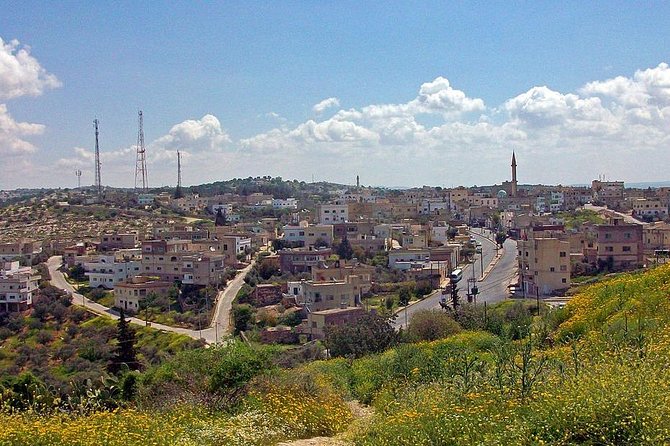
Reviewed · UMM QAIS
Jerash, Umm Qais, Cave of Jesus From Amman
This is interesting because you get two ancient sites in northern Jordan, plus a stop connected to Jesus’ story, all in one efficient run out of Amman. I love the way Jerash feels amazingly preserved, especially the Oval Plaza area, and I also love how Umm Qais gives you huge sightlines across multiple countries. One drawback to plan for: the Jesus Cave stop is shorter and the admission is not included, so you’ll want to budget a little extra time and money.
The best part of this kind of private transport day is how it keeps the stressful bits off your plate. You’re not hunting for rides, juggling schedules, or waiting around for a group to move, because you travel by air-conditioned vehicle with hotel transfers and an English-speaking driver. If you care about comfort on a long day, onboard Wi-Fi and water help a lot, especially when you are moving between sites back to back.
Drivers can make or break a day like this, and the names I’ve seen tied to strong experiences include Mohammad Barghadawi, Ali Abu Hani, Abu Anas, and Moneed. The common thread is careful driving and patience while you explore at your own pace.
Key things that make this day trip work
- Private, round-trip transfers from Amman save you the hassle of arranging transport yourself
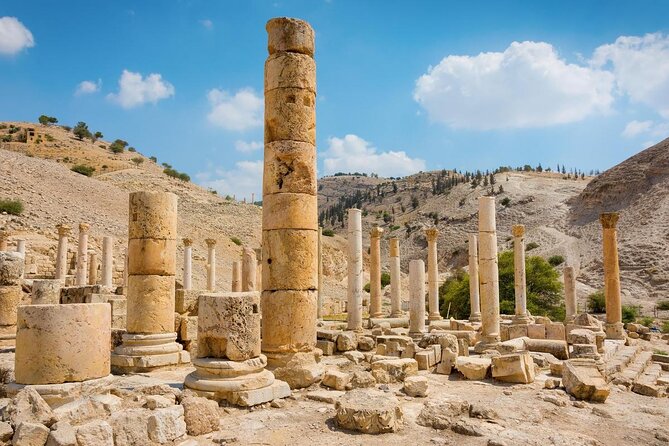
- Jerash’s Oval Plaza and Greco-Roman streets are the kind of ruins that feel built to be walked
- Umm Qais (ancient Gadara) delivers wide views across Jordan, Syria, and the Israel and Palestinian territories
- Cave of Jesus (Cave of Issa) is close by, so you can add it without turning the day into a road trip marathon
- Onboard Wi-Fi and water make the drive portion much more comfortable
- Free time at ruins with a patient driver helps you actually enjoy the sites instead of rushing them
A private day from Amman: how the transport shapes the experience
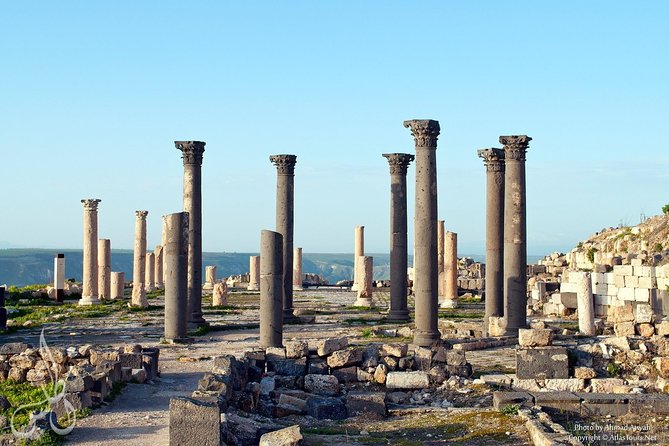
This is designed as a private, transport-only day trip, meaning the focus stays on the three stops, not on managing logistics. You travel in an air-conditioned vehicle with pickup offered and two-way transfers, so you start and end without the usual headache of getting to the countryside on your own.
The route is paced for a 7 to 8 hour day, which is long enough to feel like you went somewhere real, but not so long you’re wrecked by the time you’re back. On paper, it’s a simple plan: first Jerash, then Umm Qais, then the Jesus Cave near Umm Qais. In practice, that flow matters because it groups the most time-intensive walking into the first two stops, then finishes with a shorter cave visit.
The small comfort details add up. Onboard Wi-Fi helps pass the drive time and keep your directions straight, and water on board keeps you from turning your day into a hydration scramble. It’s not the sort of tour where you’re constantly waiting around, and the private setup usually means you can linger at the ruins without negotiating with a big bus schedule.
One thing to keep in mind: the included elements mention an English-speaking driver, but local guides are not included. If you want a deeper layer of interpretation at each site, you’ll either rely on what your driver shares, or you’ll plan to hire a local guide separately when you arrive (if that option is available on the ground).
More Umm Qais visits:
- Full-Day Tour: Umm Qais, Jerash, and Ajloun from Amman
★ 5.0 · 162 reviews - Jerash, Ajloun, Umm Qais Day Trip
★ 5.0 · 99 reviews - From Amman: Private Jerash, Ajloun Castle, and Umm Qais Tour
★ 4.9 · 82 reviews
Jerash and the Oval Plaza: walking through a preserved Greco-Roman city
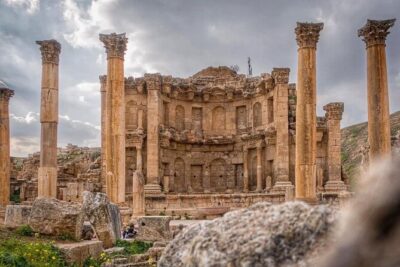
Jerash is the headline for many people coming to northern Jordan, and that makes sense. It’s a UNESCO World Heritage Site, and it’s known as one of the best-preserved Greco-Roman cities in the region. The ruins are spread out in a way that rewards walking, not just taking a quick photo and moving on.
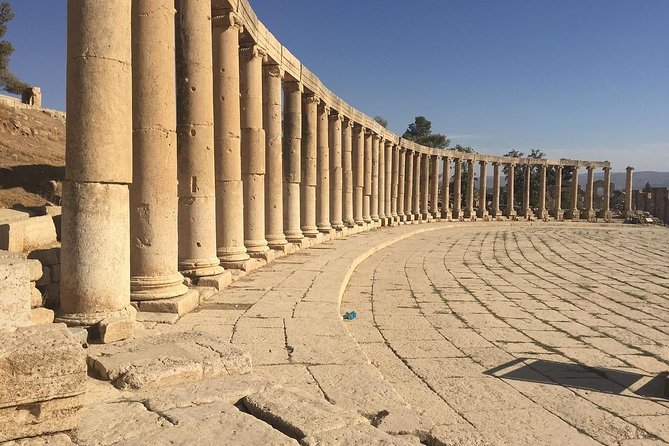
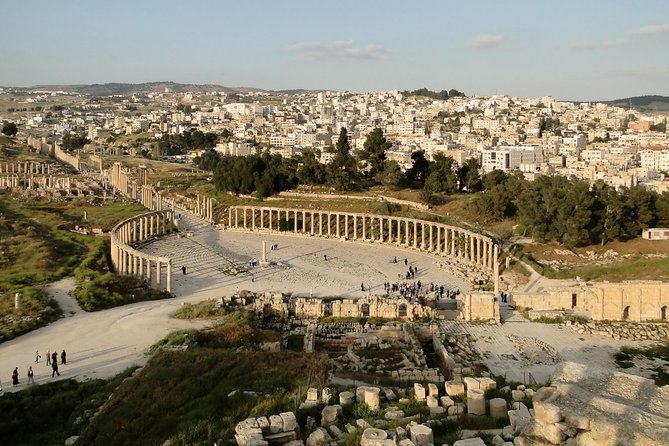
You’ll spend about 3 hours here, and that time is enough to feel the city layout. The most famous zone is the Oval Plaza, and the area around it gives you that “how is this still standing?” feeling. You can also see major elements like the Oval Colonnade, temples, fountains, and key streets.
Jerash is often described through the lens of Roman rule, but you’ll get a broader timeline if you pay attention to the story your driver shares. It’s connected to early settlements too, including a Bronze-era presence, and then it grew under Greek federation influence. Later, it experienced different phases, including Muslim and Christian rule, before falling during the Crusades.
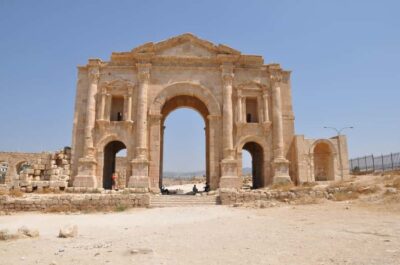
Practically, what you should expect is a lot of stone details at eye level. The Forum, Hadrian’s Arch, and the colonnaded spaces make it easy to orient yourself as you walk. If you like ruins where you can trace streets and imagine daily life, this is a strong match.
Possible drawback: you are walking on uneven surfaces and spending a lot of that time outdoors. Plan for sun and wear shoes with grip. Even if the site is “beautifully preserved,” it still involves real walking, and your comfort in the first stop will affect the whole day.
Umm Qais (ancient Gadara): three-country views you can actually see
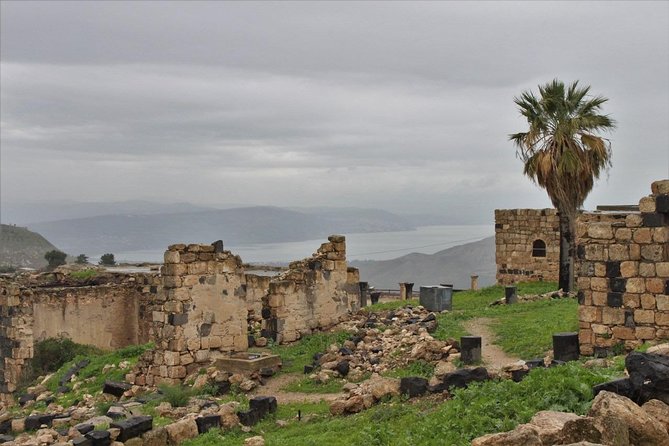
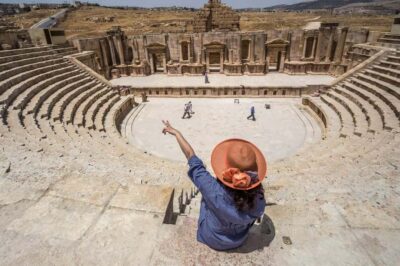
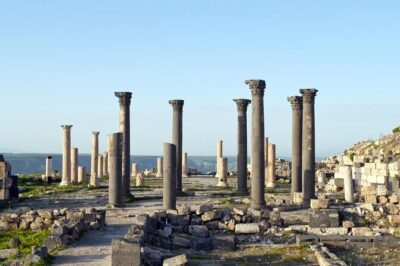
After Jerash, the day shifts into a more dramatic viewing experience at Umm Qais, the ancient Gadara area tied to the Decapolis cities of the Roman period. This stop is about 2 hours, and that’s a sweet spot. Long enough to walk the ruins and still time to slow down for the best viewpoints.
Umm Qais is special because of the contrast. You get Roman remains, and then right nearby you see the abandoned Ottoman-era village feel. That mix makes the place feel layered, not like one “museum piece” set behind ropes.
The big draw is the view. From here, you can look out toward multiple regions, including Jordan, Syria, and the Israel and Palestinian territories. It’s the kind of scenery that makes you understand why ancient people built at elevations. Even if you’ve seen maps a thousand times, you get a physical sense of distance and direction.
There’s also a biblical connection tied to the story of the Gadarene swine. The area is often connected to that moment when Jesus performed a miracle involving demons, and it shows up in how many people frame their visit. You do not need to treat this stop as a religious site to enjoy it, but if you’re interested in how biblical stories map onto real geography, this is one of the clearest places on this route.
A practical detail that makes a big difference: Umm Qais is typically far less crowded than many of the better-known sites. That matters because it makes the walking experience calmer, and it makes viewpoints feel bigger. You’re more likely to pause and actually take in the horizon instead of squeezing between groups.
Possible drawback: because the best views require standing and walking around exposed areas, bring sun protection and pace yourself. Also, the ruins are not set up like a theme park, so expect to do some exploring by finding angles and moving slowly along the site edges.
The Cave of Jesus (Cave of Issa) near Umm Qais: short stop, big meaning
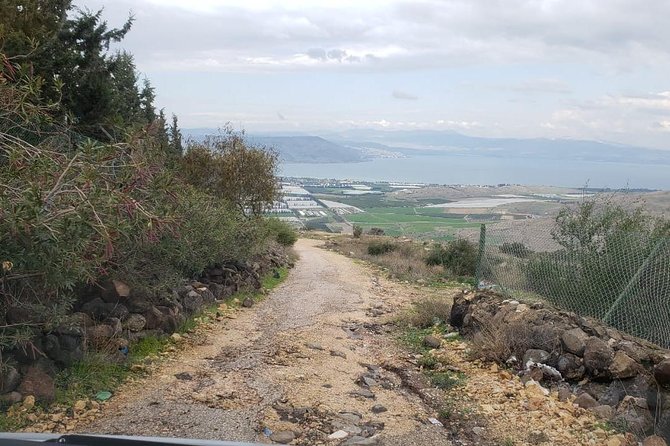
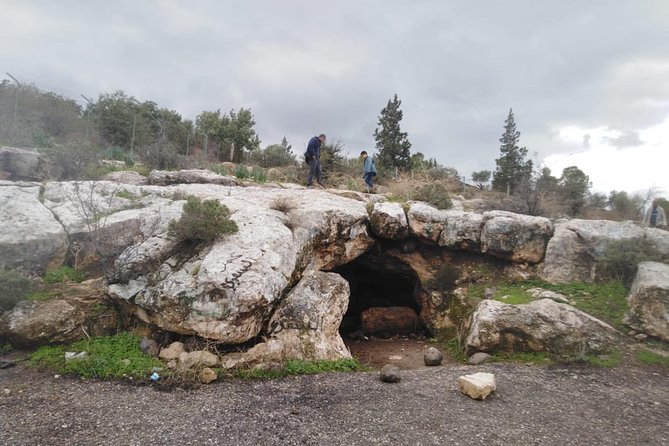
The final stop is the Jesus Cave, also known as Cave of Issa, about 5 km south of Umm Qais. This part of the day is shorter, around 1 hour, and it’s focused on the cave itself plus a brief orientation to why it’s associated with the story.
According to local belief connected to this site, Jesus resided in this cave while traveling to Umm Qais, helping the area’s people move away from paganism. You’ll often hear the cave described in terms of that local tradition. Even if you approach it as history first, it adds another dimension to the day because it connects a viewing stop (Umm Qais) to a more intimate, grounded place (the cave).
What to expect practically: this is not a long museum-style experience. It’s more like a short, meaningful stop where you see the cave area and then move on. The admission is listed as not included, so budget for that if you’re comparing the true all-in cost.
How to get the most out of this hour: keep it simple. Wear closed shoes, keep an eye on uneven ground, and spend your time looking at the cave space rather than rushing for photos. If you’re the type who likes to read signs carefully, you’ll likely enjoy this more, because the site is short and relies on context from the guide or driver.
Possible drawback: because the stop is short, you might feel like you’re leaving just as you settle into the mood. If you want longer time here, you’ll need to ask for a bit more flexibility in your schedule, but private transport generally makes that easier than with a group tour.
More trips to the Jerash ruins:
- Private Tour of Ajlun and Jerash
★ 5.0 · 130 reviews - Half Day Tour To Jerash From Amman.
★ 4.9 · 90 reviews - Jerash, Ajloun, and Umm Quais Full-Day Tour
★ 5.0 · 78 reviews - From Amman: Private Full Day Tour Jerash Ajloun & Um Qais
★ 5.0 · 77 reviews
Price and value at $91 per person: what you’re really paying for
At $91 per person, the value depends on what you prioritize. The big part of what you’re buying is convenience and comfort: private 2-way transfers, an air-conditioned vehicle, and the fact that you are not forced into a crowded bus rhythm.
This is especially valuable if you:
- are starting from Amman and want to avoid time lost to transfers
- care about minimizing logistics so your day stays enjoyable
- want onboard comfort like Wi-Fi and water
The tour includes entry fees only if you select that option, and it also notes that the first two stops list admission as free in the schedule details. To judge value properly, you should confirm what’s included for each site when you book. The Jesus Cave admission is listed as not included, so treat that as the likely extra cost.
One more value factor is the driver experience. The reviews attached to this day trip consistently highlight the human side: friendly, careful, and patient drivers who explain things and wait while you explore. Names linked to strong experiences include Mohammad Barghadawi, Ali Abu Hani, Abu Anas, and Moneed. Even if you do not get the exact same person, the pattern matters, because it means the service style tends to be calm and helpful.
If you are someone who loves ruins but also hates being rushed, this tour model tends to be a good fit. If you want a professional local guide at every site, you may need to add that on your own, since local guides are not included.
Driver service and pacing: the unglamorous part that makes the day enjoyable
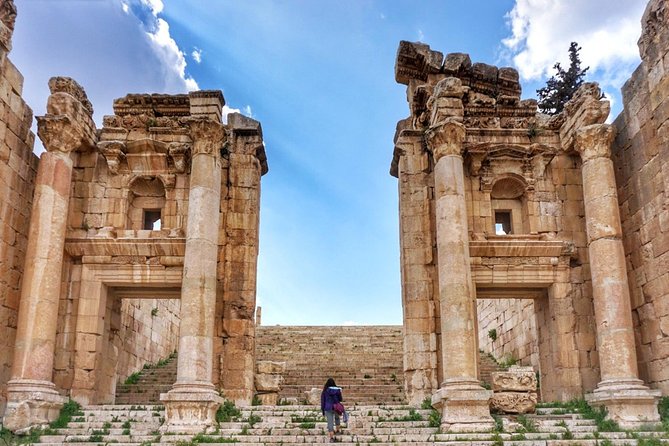
This tour is private, and you feel it most in the pacing. You don’t have to follow a strict group countdown while you’re trying to find the best angle at Hadrian’s Arch or while you’re standing for a long look out over Umm Qais.
The driver role is bigger than people expect. The best experiences tied to this route describe drivers who are:
- careful and responsible on the road
- attentive to questions
- patient while you wander
- willing to share context about Jordanian culture and history
That last piece helps a lot at Jerash, where the architecture can look impressive but abstract if no one explains what you’re looking at. It also helps at Umm Qais, where the viewpoint experience is strongest when you understand what you’re seeing and why the city sat where it did.
You may also find drivers bring small added touches, like local snacks mentioned in strong experiences. That’s not guaranteed, but it’s a sign that the service is often personal rather than purely transactional.
Practical tip: because you have limited time at each stop, tell your driver what matters most to you. If you want maximum time at Jerash’s Oval Plaza, say so early. If you prefer more viewing time at Umm Qais, adjust your pace accordingly so you don’t feel rushed in the last hour at the cave.
What it feels like overall: a day of ruins plus viewpoint plus meaning
This is not a “checklist” tour where you sprint through three sites. It’s a sequence that goes from complex ruins to dramatic views to a short cave stop with a story connection. That shape is good because each place resets your brain.
Jerash is your walking, architectural phase. Umm Qais is your horizon phase. The Jesus Cave is your reflective, short visit phase. By the time you get back to Amman, you likely feel like you saw variety, not three versions of the same thing.
Also, this route is ideal for people who want northern Jordan without spending the whole day figuring out transport. The private vehicle setup is what makes it work as a single day.
Who should book this tour, and who might prefer something else
This trip is a great match if you want:
- UNESCO Jerash without the hassle of arranging a day on your own
- Umm Qais for big multi-country views and a calmer ruin atmosphere
- a brief stop tied to the Cave of Issa, even if you’re not looking for a long religious ceremony
- a comfortable private vehicle with Wi-Fi and water
You might choose a different option if you:
- want a full guided interpretation at every stop, since local guides are not included
- dislike driving days or long outdoor walking
- expect the cave to take most of your time, since it’s about an hour
For couples, solo travelers, and families who want control over pace, private transport is a win. If your group includes different interests, private routing also makes it easier to flex within the time you have.
Should you book this Jerash, Umm Qais, and Jesus Cave trip?
I’d book it if you want a smooth, efficient day with private transfers, a relaxed pace, and two of northern Jordan’s most memorable ancient stops. The value is strongest when you appreciate convenience and comfort, not just the ruin names on a list.
Double-check two things before you commit. First, confirm what the entry fees include for each site under your selected option, since the Jesus Cave admission is not included. Second, decide how you want to allocate your attention, because Jerash rewards walking and Umm Qais rewards slowing down for the views.
If you like ruins you can actually picture as real places, plus viewpoints you can feel in your chest when you look out over the horizon, this is a very sensible day out of Amman.
FAQ
How long is the Jerash, Umm Qais, and Jesus Cave day trip?
It runs about 7 to 8 hours.
Is pickup and drop-off included from Amman?
Yes. Pickup is offered, and hotel transfers are included.
Is Wi-Fi available during the drive?
Yes. There is Wi-Fi on board, along with water.
Are entrance fees included?
Entry fees are included only if you select the option for them. The Jesus Cave (Cave of Issa) admission ticket is listed as not included.
Is this a private tour?
Yes. It is a private tour, and only your group participates.
Is a local guide included on-site?
No. Local guides are not included.
What is the cancellation policy?
Free cancellation is available. You can cancel up to 24 hours in advance for a full refund. If you cancel less than 24 hours before the start time, the amount paid is not refunded.
Recently reviewed around Amman
- Private Full Day Tour to Umm Qais and Ajloun from Amman★ 4.0 · 3 reviews
- Private Half-Day Ma’in Waterfalls and Hot Springs Tour from Amman★ 5.0 · 3 reviews
- Petra private day tour from Amman★ 5.0 · 3 reviews
- Kings Way Private tour★ 4.5 · 3 reviews
- Jordan Pass 4-Night Private Cultural Tour: Jerash, Petra, and Wadi Rum Overnight★ 5.0 · 3 reviews
- Private Guided Umm Quais and Jerash tour with lunch★ 5.0 · 3 reviews
- Private Tour: Jerash and Umm Qais Day Trip from Amman★ 4.0 · 3 reviews
- Private Tour: Full Day Trip of Jerash, Umm Qais, and Pella from Amman★ 4.5 · 3 reviews
Umm Qais, compared.
Full-Day Tour: Umm Qais, Jerash, and Ajloun from Amman
Read our review →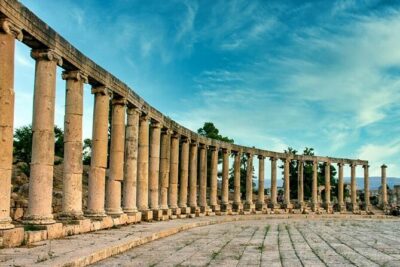
Private Jerash, Ajloun Castle, and Umm Qais Tour
Read our review →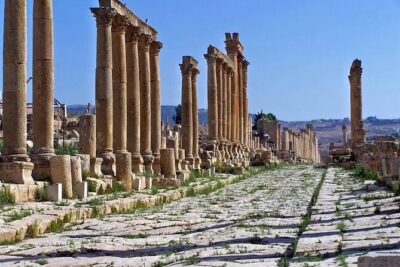
Private Day Trip to Jerash, Umm Qais and Ajloun Castle from Amman
Read our review →Browse the lists this tour appears in