
Reviewed · JERASH RUINS
Day Tour Jerash and Amman City Tour From Amman
A Jerash and Amman day tour works because you move from modern city life to major ancient sites without the stress of piecing it together yourself. I especially like the stop at the King Abdullah Mosque and the chance to walk through Jerash’s Roman streets.
The one thing to factor in is cost beyond the tour price, since entry fees and local site guides are not included.
Key things you will notice on this Jerash and Amman day tour
- King Abdullah Mosque first, so you start with an easy win and a good sense of Amman’s setting
- Amman Citadel viewpoint from the hilltop, where you can connect the dots across time
- Roman Theatre with 6,000 seats that is still used for concerts, not just museum ruins
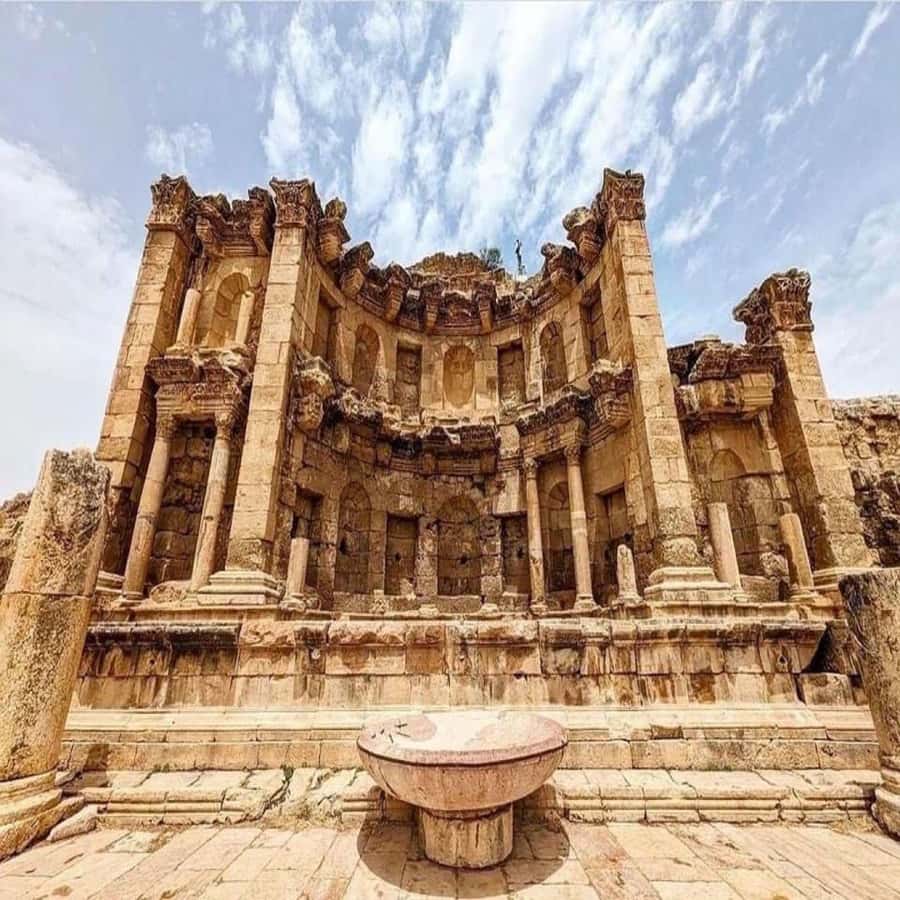
- Jerash highlights like the Temple of Artemis, plus the big Roman theatre and classic colonnades
- Private, air-conditioned transport with hotel pickup and drop-off, plus Wi-Fi and bottled water
- Separate planning for entry tickets since they are not included in the tour price
From King Abdullah Mosque to the Citadel: why this start is smart
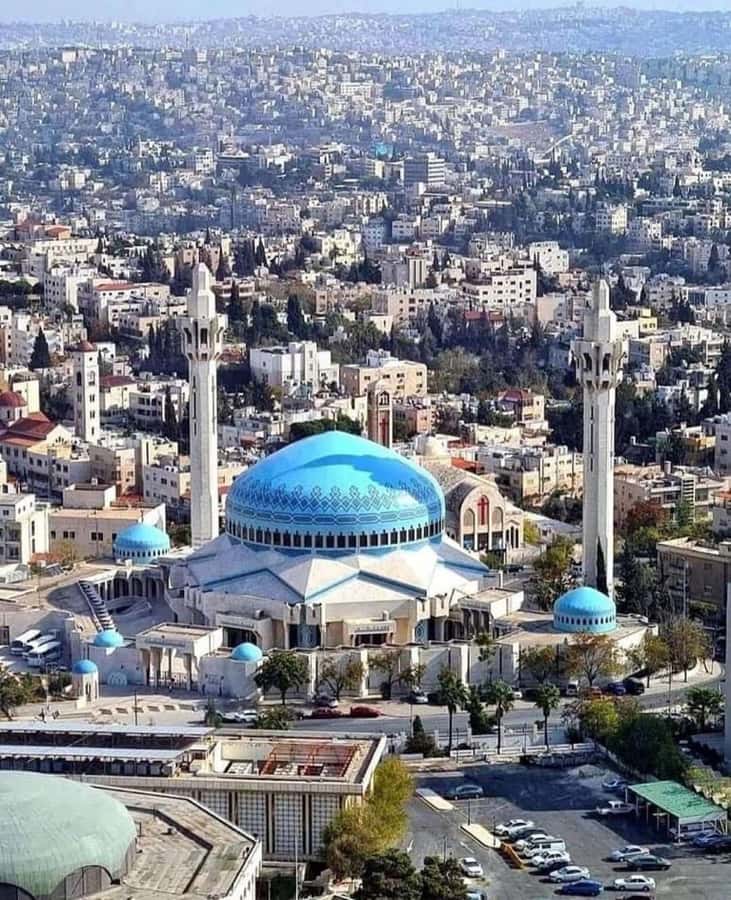
You begin at the King Abdullah Mosque, and that matters more than it sounds. It is one of the first places where Amman feels fully “real,” with a living religious site and impressive architecture you can see clearly from the outside and in surrounding areas.
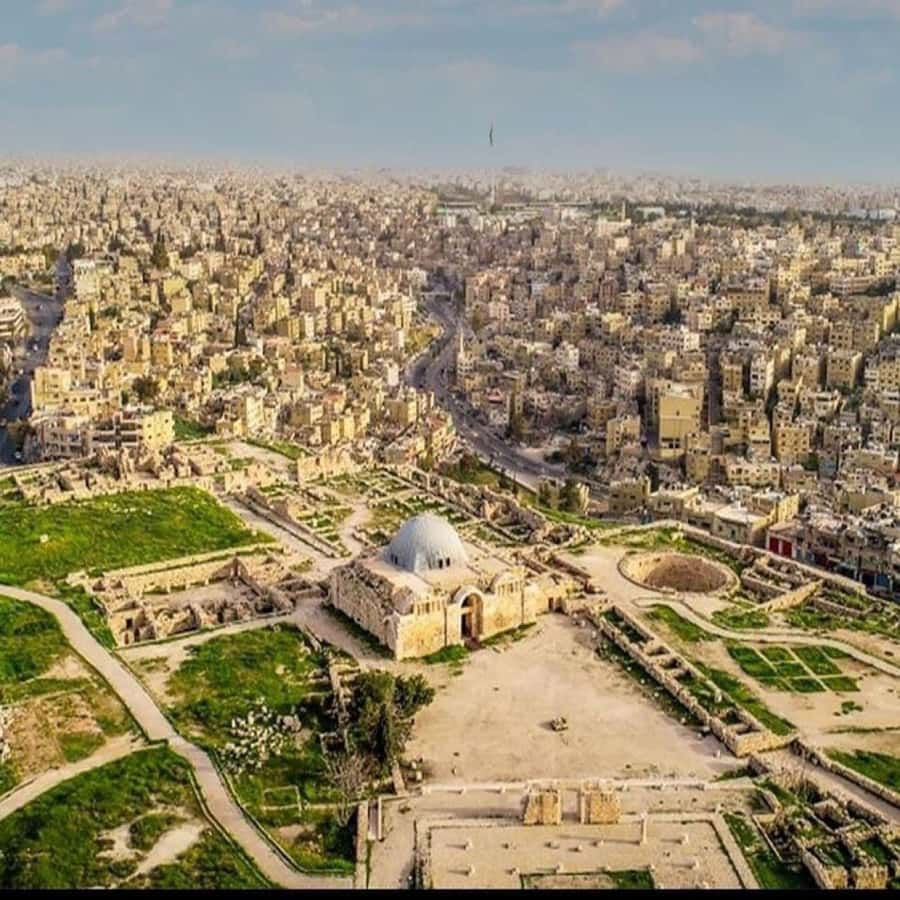
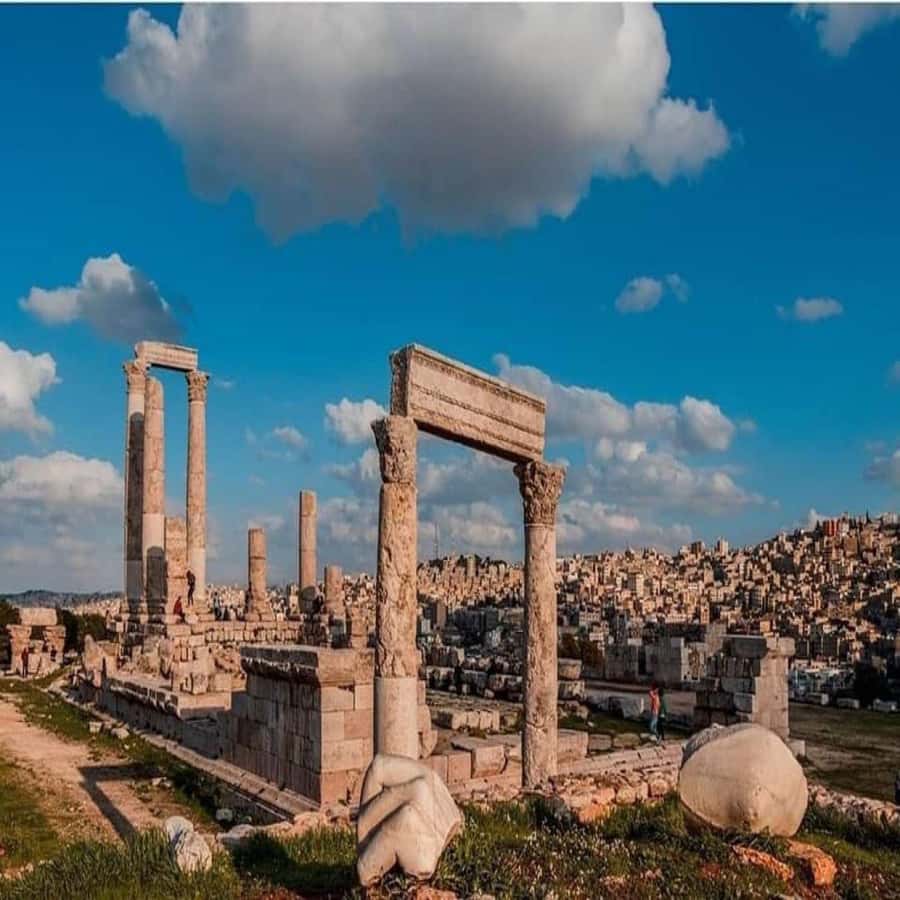
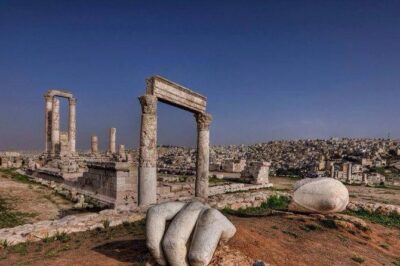
From there, the tour moves to the Amman Citadel, perched on a hill with wide views over the city. Even if you have never studied Jordan’s past, the Citadel helps you understand why Amman has always been a strategic place to build and trade. You get remnants from different eras in one compact visit, and the height makes it easier to grasp the geography.
This sequence is also practical. Mosque first means you are not rushing straight into ticket lines at the biggest sites. Citadel second means you are already in a “walking mindset,” and the views keep the pacing from feeling like pure sightseeing.
More trips to the Jerash ruins:
- Full-Day Tour: Umm Qais, Jerash, and Ajloun from Amman
★ 5.0 · 162 reviews - Private Tour of Ajlun and Jerash
★ 5.0 · 130 reviews - Jerash, Ajloun, Umm Qais Day Trip
★ 5.0 · 99 reviews
Amman’s Roman Theatre: seeing a 6,000-seat venue still used today
Next up is the Roman Theatre in Amman. This is not just an old backdrop. It is a 6,000-seat theatre that is still used for concerts, which gives you a rare feeling: you are looking at a structure designed for real gatherings, not just for photographs.
Standing in and around the theatre area, you get a sense of how Roman design shaped public life. The scale is the point. The theatre is big enough to make you think about crowd control, sound, and how performances would have carried across the space. If you like architecture and urban planning, this stop can be a highlight even before you get to Jerash.
One small consideration: theatres and hill sites often mean uneven steps and longer walking distances than you expect. Comfortable shoes are not optional here, even if the day is organized with vehicle transport between stops.
Jerash: the Roman city layout that makes the walking worth it
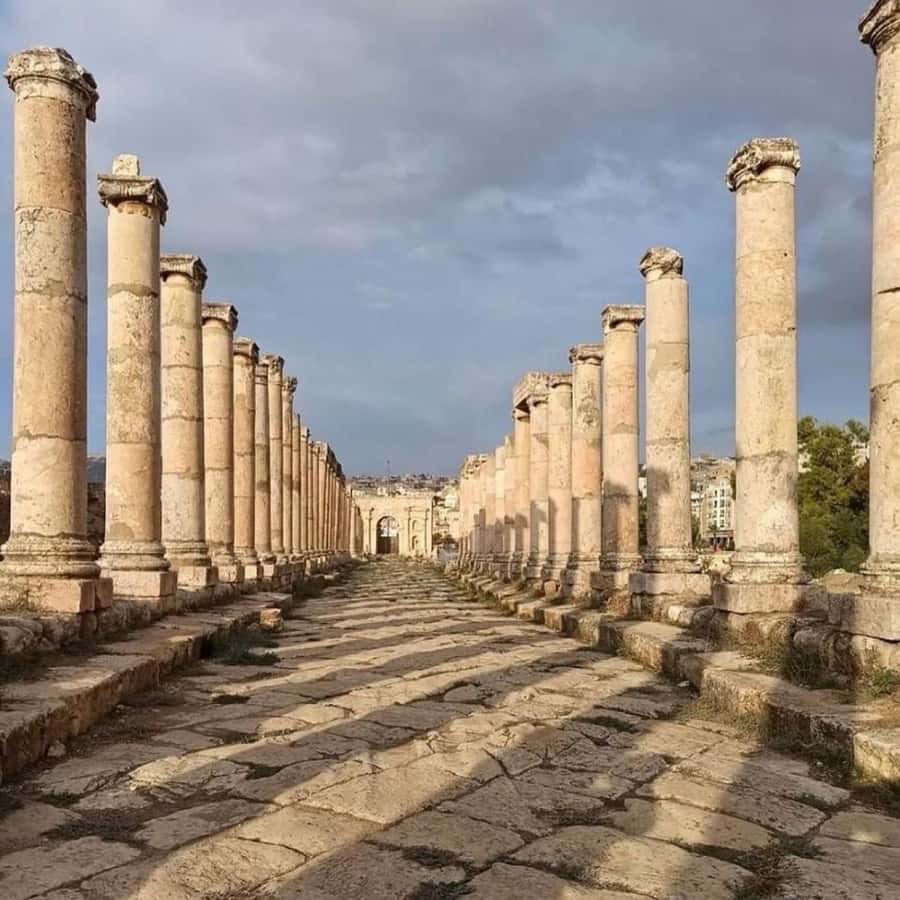
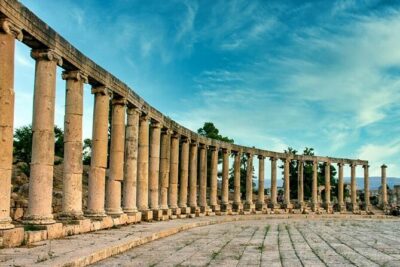
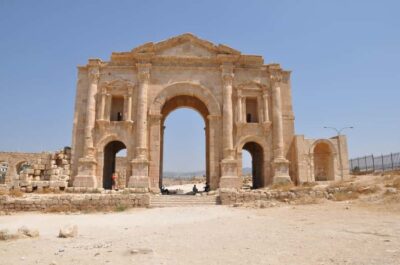
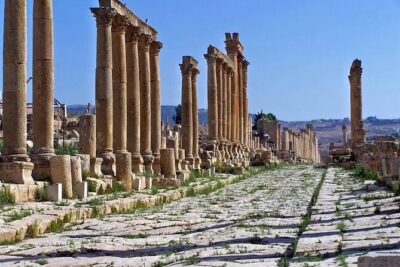
Then comes Jerash, often called the largest Roman city in the Middle East. The big advantage of Jerash as a day tour stop is that it is not random ruin piles. The city plan is still readable, so as you walk, you start connecting the spaces: plazas, archways, and long stretches lined with columns.
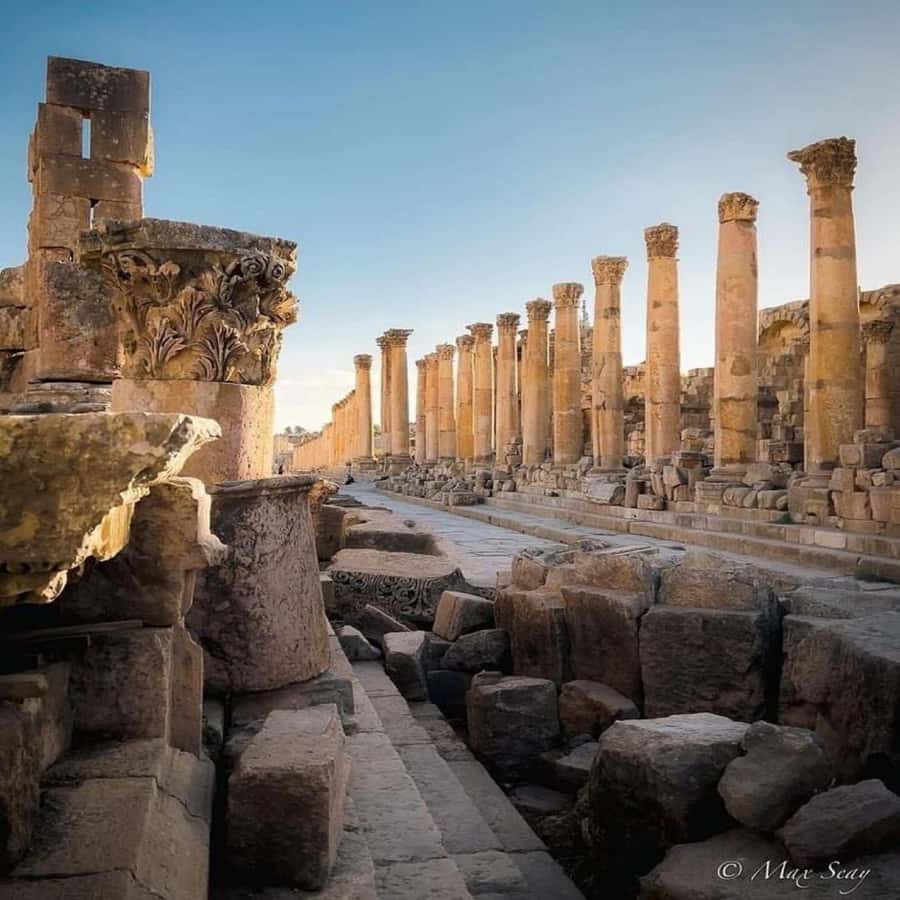
Jerash feels like a full outdoor site. You are walking through an ancient street rhythm, with “anchors” along the way that keep you oriented. When a site is this well preserved, you spend less time guessing and more time absorbing details like the geometry of arches and the spacing of colonnades.
The tour structure also helps. By the time you reach Jerash, you already saw Amman’s Roman influence in miniature at the theatre. Jerash then becomes the larger story, with more scale and more surviving features.
If you are traveling with someone who gets restless in long museum-style visits, this kind of Roman city layout works well. You are moving through space, not just standing in front of signs.
Temple of Artemis and the Jerash theatre: Greek mythology inside Roman walls
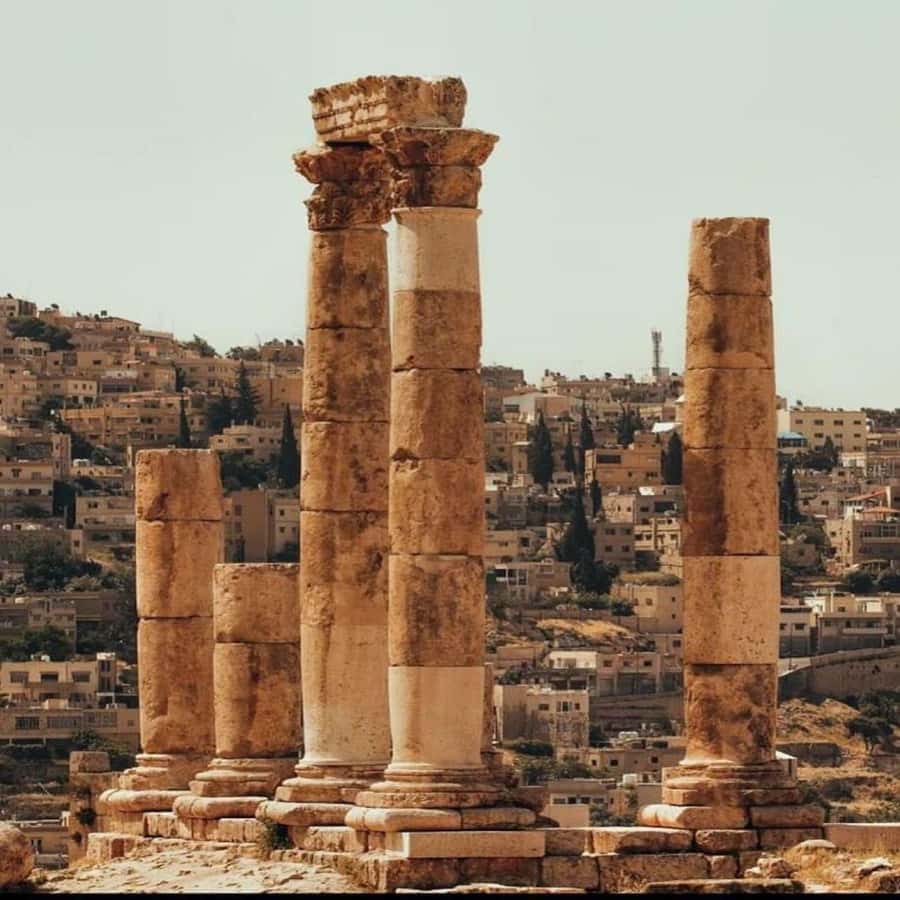
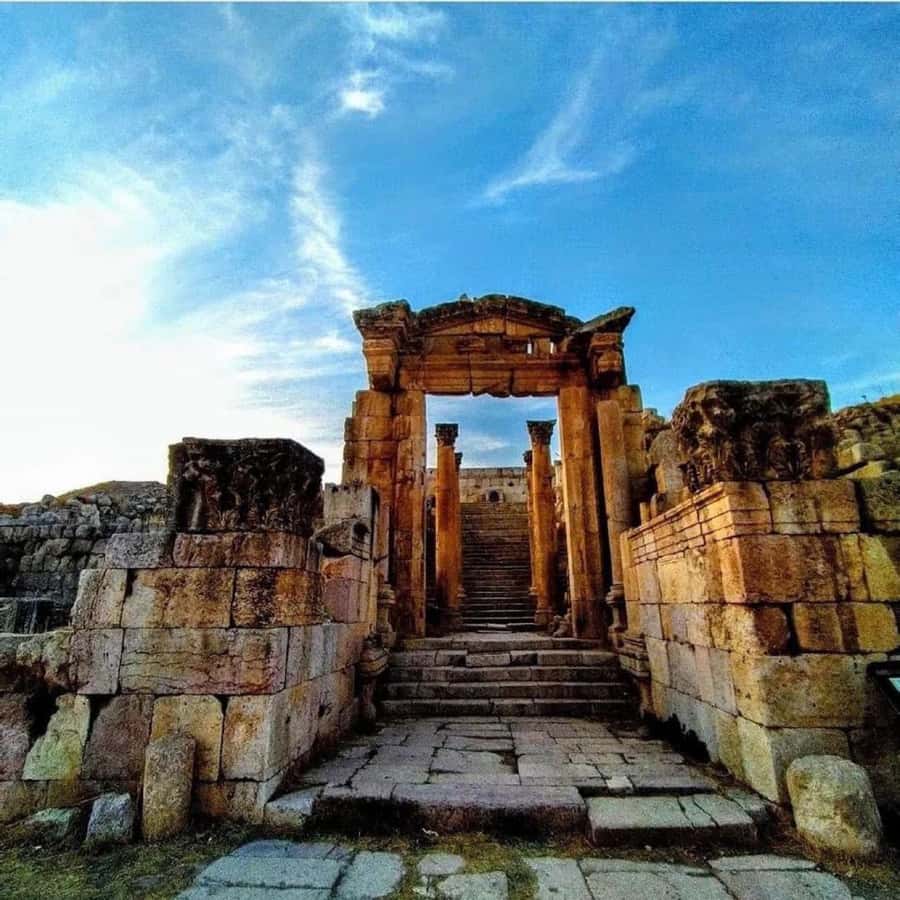
Jerash includes the Temple of Artemis, which is a standout because it adds a Greek layer to what is otherwise framed as Roman city life. You are looking at a place dedicated to a goddess, and that creates a different kind of curiosity than pure engineering ruins.
Along with the temple area, you also visit the ancient theatre at Jerash. Jerash theatres tend to hit the same emotion as the Amman Roman Theatre, but bigger. The idea of a crowd gathering in rows, with the city acting like a stage, makes the site feel purposeful rather than broken.
What I like about pairing Temple of Artemis with the theatre is that it gives you both “sacred” and “public” spaces. One is about worship and belief. The other is about community gatherings, performances, and social life.
Keep an eye on the sun and the angle of light. These are open-air sites, and that means glare can be real, especially around pale stone surfaces and long colonnades.
A few more Amman days worth comparing
- Amman: Petra, Wadi Rum, and Dead Sea 2-Day Tour
★ 4.9 · 1,173 reviews - 2-Day Tour: Petra, Wadi Rum, and Dead Sea from Amman
★ 5.0 · 1,141 reviews - From Amman: Petra & Wadi Rum Private or group Day Tour
★ 4.9 · 750 reviews - From Amman: Petra and Wadi rum Full day Tour
★ 5.0 · 538 reviews
How transportation, Wi-Fi, and pickup keep a long day manageable
This is built as a comfortable, private transportation day, with an air-conditioned vehicle, hotel pickup and drop-off in Amman, and bottled water. That kind of setup makes a real difference if you are trying to cram both Amman city highlights and Jerash into one outing.
You also get Wi-Fi, which sounds small until you need it. It can help you map your next stop, translate basic terms on the fly, or just send a quick message without draining your phone battery searching for signal.
Because entry fees and local site guides are separate, the transportation value shows up as time saved. You do not have to spend your morning figuring out where to meet, how to travel between sites, or how to return to your hotel. When a plan is smooth, you spend more energy enjoying the places and less energy solving logistics.
A final practical note: one-day tours in the Amman area often involve several “step-in step-out” segments where you are in and out of the car at multiple stops. If your phone camera relies on stabilization, you will likely use it a lot while moving between viewpoints and theatre seating.
Price and value: what $68 really covers (and what you need to add)
The listed price is $68 per person, and for this kind of route, the value comes mainly from organization: private transport, pickup and drop-off, and an English-speaking driver who helps you make sense of where you are.
What is not included is important. Entry fees are extra, and local guides at the sites are not included. That means your total day cost can be higher depending on how much interpretation you want on the ground.
Is it still a good deal? Usually, yes, if you value:
- not having to coordinate rides across multiple major sites
- air-conditioned comfort on the road
- a driver who can explain the big picture while you move
It is less of a bargain if you are the type who wants deep, technical commentary at every single stop. In that case, you will be adding local guide costs anyway, and that makes the “all-in value” smaller.
My advice: treat the tour price as the transportation and guidance layer, then plan for entry fees separately. That way there are no surprises, and you can decide whether you want to hire local help at Jerash and other sites.
The guide factor: when Shadi and Omar style matters
Even when local site guides are not included, the way the driver handles explanations can make the difference between a good day and a great day.
For example, guides like Shadi are known for punctual pickup and clear guidance about where you are going, which keeps the day from feeling chaotic. That matters in Amman because the city is active and you want to start moving on time.
Another strong example is Omar, who is described as professional and kind. If you get a guide like Omar, you will likely get calmer communication, better pacing, and more context while you are driving between stops.
How to use this information as a traveler: if you care about learning, bring a few questions that fit what you like. Ask about the Roman layout in Jerash, how theatres were used, or what the Citadel’s position tells you. A good driver can translate the site into something you actually remember.
What to bring for a smooth day (passport and shoe choice)
You should bring a passport or ID card. You also need comfortable shoes because both Amman and Jerash involve walking on uneven surfaces and stairs, especially around theatres and hillside ruins.
I also recommend you bring:
- sun protection for the open-air sections at Jerash
- water discipline even though bottled water is included, because Jerash walk time adds up
If you are wearing delicate sandals, switch plans. You do not want foot pain to ruin the best parts of Jerash, and the best parts usually require longer walking and more stair stepping than you expect.
Who this Jerash and Amman tour suits best
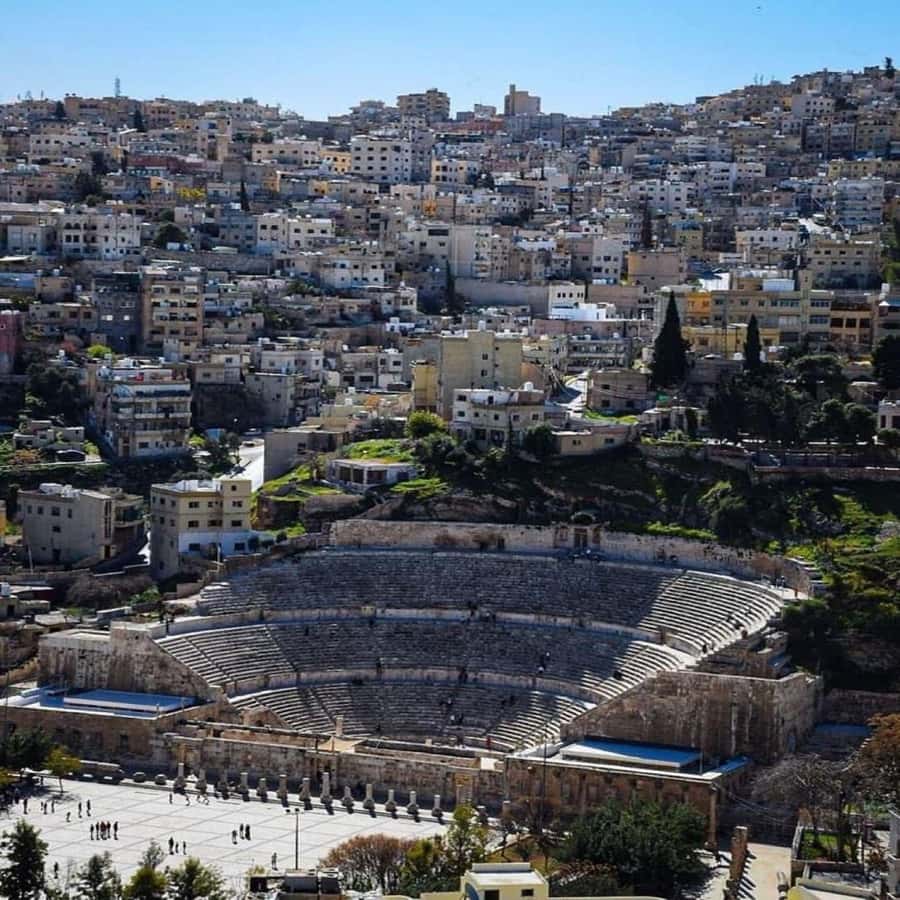
This tour is a strong fit if you want a structured day that hits the big must-sees without the hassle of coordinating separate rides. It is also a great choice if you like Roman sites and want to see how Roman architecture appears in both Amman and Jerash.
It can suit couples, solo travelers, and anyone who appreciates value in the form of comfort, time savings, and an English-speaking driver.
Where it might not be perfect: if you prefer a slower pace with lots of free time at one site, a multi-stop day can feel like you are always moving. Jerash in particular rewards slower wandering, so you will want to manage expectations for how much “hang out time” you get.
Should you book this Jerash and Amman day tour?
I would book this tour if you want an efficient Jerash plus Amman highlights day with hotel pickup, private air-conditioned transport, and an English-speaking driver, and you are okay adding entry fees separately.
Skip it or rethink it if you want everything included in one fixed price, or if you know you will want a local guide for every major stop. In that case, the extra costs can rise fast.
If your goal is simple and smart, to see key Roman landmarks like the Amman Roman Theatre, Jerash’s Temple of Artemis, and the Jerash theatre, while avoiding transportation headaches, this is the kind of day plan that makes sense.
Recently reviewed around Amman
- Private Full Day Tour to Umm Qais and Ajloun from Amman★ 4.0 · 3 reviews
- Private Half-Day Ma’in Waterfalls and Hot Springs Tour from Amman★ 5.0 · 3 reviews
- Petra private day tour from Amman★ 5.0 · 3 reviews
- Jordan Pass 4-Night Private Cultural Tour: Jerash, Petra, and Wadi Rum Overnight★ 5.0 · 3 reviews
- Kings Way Private tour★ 4.5 · 3 reviews
- Private Guided Umm Quais and Jerash tour with lunch★ 5.0 · 3 reviews
- Private Tour: Jerash and Umm Qais Day Trip from Amman★ 4.0 · 3 reviews
- Private Tour: Full Day Trip of Jerash, Umm Qais, and Pella from Amman★ 4.5 · 3 reviews
Jerash Ruins, compared.
Full-Day Tour: Umm Qais, Jerash, and Ajloun from Amman
Read our review →
Private Jerash, Ajloun Castle, and Umm Qais Tour
Read our review →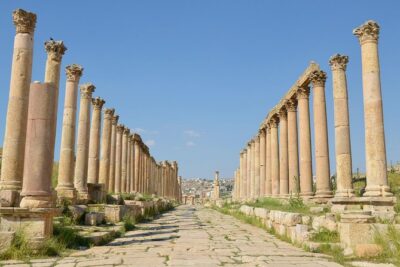
Browse the lists this tour appears in